The Review Is the Fire Alarm
Everyone's arguing about whether reviews should be kind. Nobody's asking why the food was bad.
Eamonn Best
Founder, Lattify · April 16, 2026
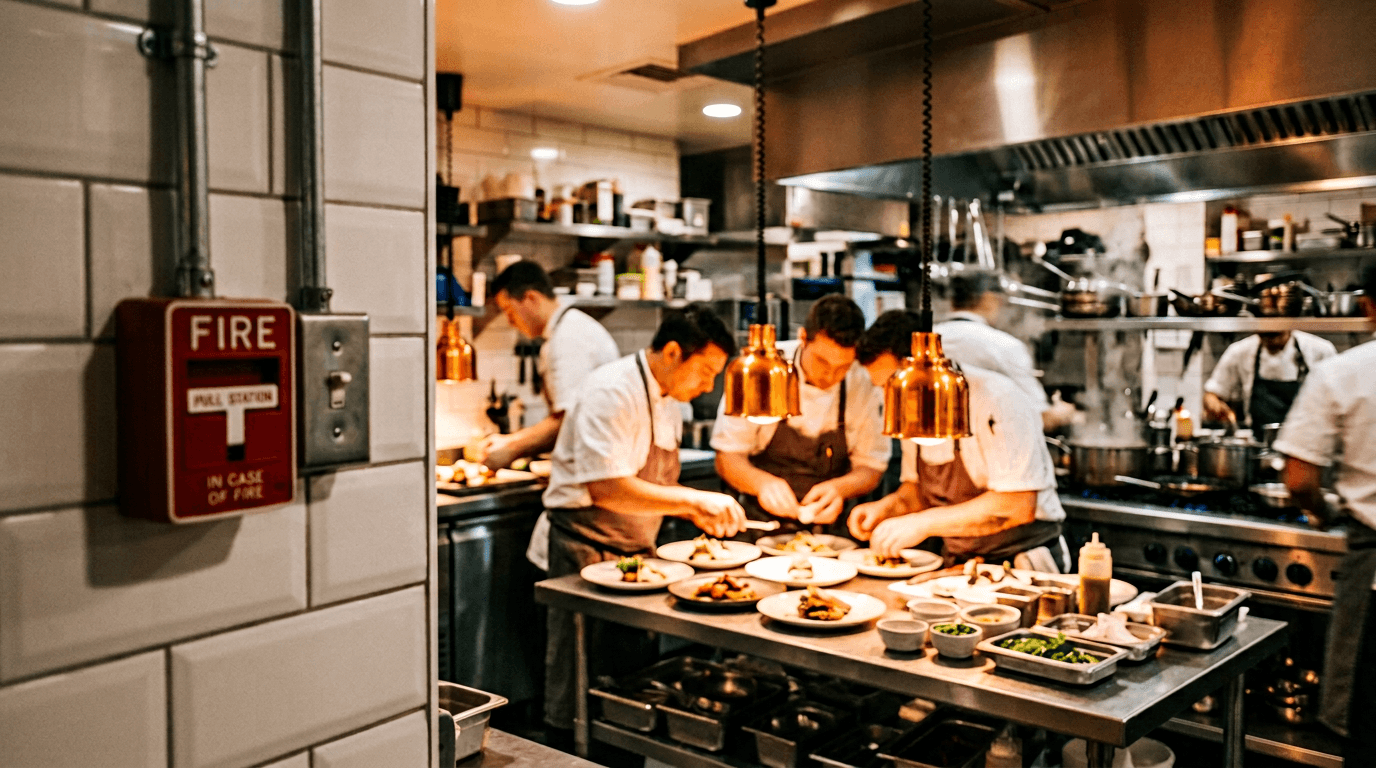
Frederick Puah built British Hainan Heritage Restaurant over decades. Then he hired a manager at one of his outlets, and the service started slipping. Customers noticed. They left reviews. By the time Puah found out what was going on, the damage was done. He closed the outlet in 2024 and consolidated into a single location.
He lost that outlet to a problem he couldn't see until it was too late.
Everyone's talking about the wrong thing
A banner went up at the Kampong Glam Ramadan Bazaar recently urging food reviewers to "be human first, influence later." It sparked exactly the debate you'd expect - should reviewers be kind or honest? Do small businesses deserve protection from harsh criticism? Is a one-star rating fair game if the fries were smoky?
I've been watching this conversation for weeks, and the thing that strikes me is what nobody's saying. Everyone is arguing about the fire alarm. Nobody is talking about fire prevention.
Ali Redha, who put up the banner, told CNA that "an opinion can be valid, but its delivery doesn't have to be ugly." He's right. But even if every reviewer on the internet suddenly started writing with empathy and nuance, the undercooked chicken is still undercooked. The 40-minute wait is still 40 minutes. The staff member who didn't know the menu is still standing there shrugging.
The review is a symptom. The execution gap is the disease.
What the reviews are actually telling you
A staff member at Meokja, a Muslim-owned Korean restaurant that ran a stall at the bazaar, put it plainly when she spoke to CNA: "Reviews let us know if there's anything we need to improve, from the food taste to the preparation time or the service."
Read that list again. Food taste. Preparation time. Service. Every single one of those is a process that can be documented, taught, and checked. These aren't mysterious forces. They're the result of whether your team knows exactly what to do on any given shift, and whether anyone is verifying that it happened.
Daniel Charles, CEO of Sum Dim Sum, admitted his team used to ignore negative Google reviews. Then they realised lower ratings were suppressing their visibility in search results, which was reducing foot traffic and revenue. Today, they've hired a person whose entire job is to monitor reviews, reply to them, and flag issues internally.
That's a reasonable response. But think about what it means - you're hiring someone to watch for problems after they've already happened, after a customer has already walked away unhappy, after the review is already public. You're staffing a fire station instead of removing the fire hazards.
The maths of a bad review
Harvard Business School researcher Michael Luca found that a one-star increase on Yelp leads to a 5-9% increase in revenue for independent restaurants. The inverse is equally true - a one-star drop can cut your revenue by the same margin. For a small restaurant doing £400,000 a year, that's £20,000-£36,000. Gone. Because a handful of shifts went badly.
And it compounds. According to WiserReview's analysis of online review data, 56% of consumers changed their opinion about a business based on how it responded to a review. Businesses that reply to at least 25% of their reviews average 35% more revenue than those that don't.
So yes, responding to reviews matters. But every hour your manager spends crafting a thoughtful reply to a complaint about cold food is an hour they're not spending on the thing that would have prevented the complaint in the first place - making sure the food goes out hot, every time, on every shift.
The gap between effort and infrastructure
Half of the 104 vendors at the Kampong Glam Ramadan Bazaar approached the organisers before opening with worries about how reviews might affect their business. Half. These are people who know the stakes. They care about their product, they're anxious about their reputation, and they're spending real money on stall rental that they need to recoup through foot traffic.
The effort is there. What's missing is infrastructure.
Woo Wai Leong, chef-owner of Restaurant Ibid, made the point that if customers raise an issue while they're still in the restaurant, his team can fix it on the spot. "If the restaurant team and operators care about the product they are putting out and the experience they are giving, they will do their best to try and fix it right there and then."
That's true - but it assumes the person on the floor knows what they're empowered to do. Can they remake the dish? Offer a replacement? Comp the drink? Escalate to the manager? If you haven't told them, they'll freeze, the customer will leave frustrated, and the review gets written in the car park.
Puah, the British Hainan founder, said he now prioritises positive service interactions and trains his staff to be friendly and approachable, so customers are more likely to raise issues directly instead of posting online. Again, the instinct is right. But "be friendly and approachable" is a vibe, and vibes are hard to replicate across shifts, across new hires, across a bad Tuesday when someone calls in sick and you're running a person down.
What fire prevention actually looks like
I built Lattify because I kept seeing this same pattern - owners who cared deeply about their product but had no system to make sure it was delivered consistently. The knowledge was in their heads, or in the heads of their best people, and every new hire was starting from scratch.
The three things that would have changed the story for every business in that CNA article are the same three things I built into the platform.
The first is checklists. Opening procedures, closing checks, safety inspections - assigned, tracked, and timestamped. When Puah's manager started letting things slip, there would have been a record. The problem would have been visible in the data before it was visible in the reviews.
The second is internal feedback. Staff flag issues, suggest improvements, and escalate problems they can't solve from inside the app. That customer complaint about cold food? If a line cook noticed the heat lamp was out twenty minutes earlier and had a way to flag it, the food goes out hot. The complaint never happens. The review never gets written.
The third is instant answers. Your team can search your entire knowledge base from their phone. The new server who doesn't know whether they can comp a dessert? They look it up instead of guessing. The answer comes from your own documents, sourced and cited, so they're acting on your policy rather than making it up on the spot.
The shift you can control
You can't control what a reviewer writes. You can't control whether they're fair, whether they check their facts, whether they're having a bad day and taking it out on your laksa. The CNA article is full of thoughtful people saying thoughtful things about how reviewers should behave, and I agree with most of it.
But the only variable you actually control is whether your team executes consistently, every shift, whether you're standing there watching or not. The review is the fire alarm. The execution gap is the fire. And every owner in that article already knows where their gaps are - they just haven't had the tools to close them.
If any of this sounded familiar, we built Lattify for exactly this problem.
Join the Waitlist